Finding an ear, nose, and throat specialist in Fukuoka when you don’t speak Japanese fluently is one of those experiences that sounds simple until you’re actually in it. ENT issues — a persistent sinus infection, sudden hearing loss, tinnitus that won’t quit, a throat that’s been wrong for weeks — tend to feel urgent. And urgent plus language barrier plus an unfamiliar healthcare system is a stressful combination. The main friction points expats run into: clinic websites are almost entirely in Japanese, phone booking (which is still the norm at many clinics) requires conversational Japanese, and even when you get through the door, explaining nuanced symptoms like “my ear feels full but it’s not painful” or “I lose my voice every time the seasons change” is genuinely hard without support. Then there’s insurance — figuring out what your National Health Insurance covers versus what your private plan handles, and whether the clinic will even accept your card. This page exists to cut through that confusion and give you a practical, honest starting point.
What to Expect at a Fukuoka ENT Clinic
ENT clinics in Japan — called jibika (耳鼻科) or jibiinkōka (耳鼻咽喉科) — are typically specialty outpatient clinics rather than departments inside large hospitals. That’s actually good news: they’re often smaller, faster, and more focused than going through a general hospital system. Most require an appointment, though some neighborhood clinics do accept walk-ins during morning hours. Wait times vary wildly — a popular clinic might have you sitting for 90 minutes even with a booking, while a quieter one might see you within 20 minutes of arrival.
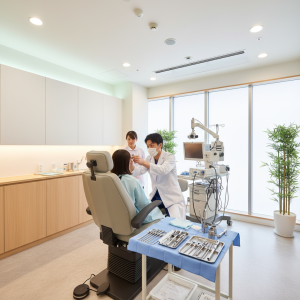
At your first visit, you’ll fill out a patient intake form (almost always in Japanese — more on that below). The doctor will typically examine your ears with an otoscope, check nasal passages, and may use a small camera scope for throat or nasal issues. Consultations are often brief by Western standards — 10 to 15 minutes is normal. Prescriptions are common and filled at a separate pharmacy next door or nearby. With National Health Insurance, you’ll typically pay 30% of the cost at the clinic. An initial ENT consultation usually runs ¥1,500–¥3,000 out of pocket with NHI, depending on what’s done.
English-Speaking ENTs in Fukuoka
We’re still building out our Fukuoka ENT listings — this specialty takes time to vet properly, and we’d rather have nothing listed than send you somewhere based on incomplete information. We’re adding providers regularly as we confirm English availability, so check back or browse the full KantanHealth directory for the latest.
In the meantime, a few practical workarounds that Fukuoka expats have actually used:
- Fukuoka University Hospital and Kyushu University Hospital both have international patient services and can connect you with ENT departments — the process is slower and more bureaucratic, but English support is more reliably available.
- Ask your GP first. If you already have an English-speaking general practitioner or internal medicine doctor in Fukuoka, they can often write a referral letter (shokaijō) that gets you seen faster and with some context already communicated to the specialist.
- Facebook groups like “Fukuoka Expats” and “Fukuoka Foreign Residents” are genuinely useful for crowdsourced clinic recommendations — search the group before posting, as ENT questions come up fairly regularly.
If you know of an English-friendly ENT in Fukuoka that should be listed here, suggest a provider and we’ll look into it.
How to Book an ENT Appointment in Fukuoka
Here’s the honest reality: many ENT clinics in Fukuoka still rely on phone booking, and their websites — if they have one — may offer online reservations only in Japanese. Here’s how to navigate it:
- Check for an online booking system first. Look for buttons that say ネット予約 (net yoyaku) on the clinic’s site. Some use third-party platforms like EPARK or LINE booking that have more navigable interfaces.
- If you need to call, this phrase gets you started: 「英語を話せる先生はいますか?」 (Eigo o hanaseru sensei wa imasu ka?) — “Is there a doctor who speaks English?” You can also simply say your name and 「予約をしたいです」 (yoyaku o shitai desu) — “I’d like to make an appointment.”
- What to bring: your health insurance card (hoken shō), a photo ID, any previous prescriptions or test results relevant to your issue, and cash — many smaller clinics don’t accept cards.
- For paperwork, Japanese intake forms can be genuinely confusing. Jozu lets you upload Japanese medical documents — forms, prescriptions, discharge summaries — and translate them so you actually know what you’re signing or what was prescribed.
Insurance and Costs
If you’re enrolled in Japan’s National Health Insurance (NHI / Kokumin Kenkō Hoken), you’ll pay 30% of the official fee at most clinics — making a standard ENT visit quite affordable. Expect to pay roughly ¥1,500–¥3,000 for an initial consultation with basic examination, and more if imaging or scoping is involved. Prescription costs are separate and also covered at 30%.
If you’re not on NHI — common for short-term visitors, digital nomads, or people still sorting out residency — you’ll pay full price, which can be ¥5,000–¥15,000 or more depending on what’s done. In that case, travel or expat health insurance matters a lot. SafetyWing’s Nomad Insurance is a practical option for expats and long-term travelers — it covers outpatient care including specialist visits, and the claims process is more foreigner-friendly than most Japanese domestic plans. It’s worth checking whether your specific situation qualifies before your next appointment rather than after.
Always confirm at reception whether your insurance card is accepted before your appointment. Some smaller clinics are cash-only for foreign insurance cards.
Finding the Right Clinic for You
A few quick questions to point yourself in the right direction:
- Is this urgent? Sudden hearing loss in particular should be treated as a medical emergency in Japan — get to a hospital ENT department same day if possible. For ongoing issues, a clinic appointment is fine.
- How’s your Japanese? If it’s minimal, prioritize clinics with confirmed English-speaking staff over ones that just list “English available” vaguely. University hospital international departments are your safest bet for complex issues.
- Where are you based? Clinics near Tenjin, Hakata, and Ohori Park tend to have more international patient experience than neighborhood clinics in residential areas — though exceptions exist.
- Do you want a referral or direct booking? Going through a GP first can smooth the process considerably if you have one you trust.
And one genuinely useful long-game tip: even a few sessions of Japanese medical vocabulary practice before appointments makes a real difference — not just for ENT visits but for every healthcare interaction you’ll have in Japan. iTalki connects you with Japanese tutors who can walk you through exactly the phrases you need for clinic situations, which is a lot more useful than generic language apps when you’re trying to describe ear pressure to a doctor.
We’ll keep updating this page as more English-friendly ENT providers in Fukuoka are confirmed and added to the KantanHealth directory. Japanese healthcare is genuinely good once you’re through the door — getting through the door is the part we’re here to help with.