Finding an ear, nose, and throat specialist in Kobe when you don’t speak Japanese is one of those tasks that sounds straightforward until you actually try it. You’ve got a sinus infection that won’t quit, or your ear has been blocked since that flight from Singapore, or your kid keeps getting tonsillitis — and suddenly you’re staring at a list of clinic websites written entirely in kanji, a phone number you’re terrified to call, and zero idea whether the doctor will understand what you’re describing. The friction is real: most ENT clinics in Japan are small, neighborhood-level practices run by a single specialist, which means no front-desk staff who happen to speak English, no multilingual intake forms, and booking systems that assume you can read hiragana. Add to that the confusion around Japan’s national health insurance, referral culture, and the fact that “walk-in” means something very different here than back home — and you’ve got a genuinely stressful situation. This page exists to cut through that confusion and help you find an English-friendly ENT in Kobe without the usual runaround.
What to Expect at a Kobe ENT Clinic
ENT clinics in Japan — called jibiinkōka (耳鼻咽喉科) — are typically small, specialist-only practices rather than departments inside a large hospital. That’s actually good news: wait times at a neighborhood ENT are usually shorter than at a general hospital, often 30 to 60 minutes if you arrive early. Most clinics open at 9am and run a first-come, first-served morning session before switching to afternoon appointments.
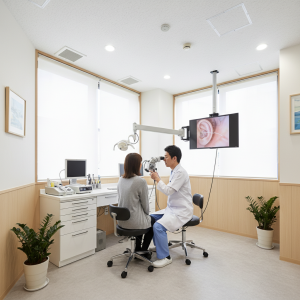
At your first visit, you’ll fill out a paper intake form — usually in Japanese only, so bring a translation app or use a document tool like Jozu to pre-translate any forms you’ve been sent in advance. The doctor will typically examine your ears, nose, and throat using a small scope, ask about your symptoms, and may prescribe medication on the spot. Expect to pay at the reception desk immediately after your appointment.
If you’re enrolled in Japan’s National Health Insurance (NHI), a standard ENT consultation will usually cost between ¥1,500 and ¥3,000 out of pocket. Without insurance, you’re looking at ¥3,000 to ¥8,000 or more depending on the clinic and what tests are run. Most clinics don’t require a referral for ENT visits — you can go directly.
English-Speaking ENTs in Kobe
We’re still building out our Kobe ENT listings and don’t have any providers confirmed in our directory just yet. We know that’s frustrating — it’s exactly why we’re working on it. Kobe has a solid expat community and a real need for verified, English-friendly specialist clinics, and we’re adding providers regularly as we vet them.
In the meantime, a few options worth knowing about while we expand the list:
- Kobe City Medical Center General Hospital has an international patient support desk and is one of the better bets for English assistance in a specialist context, though wait times at large hospitals can be long.
- Kobe Adventist Hospital in Kita-ku has historically been expat-friendly and has some English-speaking staff — worth calling ahead to check current ENT availability.
- The Hyogo Prefecture foreign resident support hotline can sometimes help connect you with interpreters or English-friendly referrals if you’re stuck.
We’ll update this page as soon as verified ENT providers are added to the KantanHealth Kobe directory. If you know a clinic that should be listed, let us know.
How to Book an ENT Appointment in Kobe
Here’s how to actually get yourself in front of a doctor without it becoming a whole ordeal.
- Check for online booking first. Many clinics now use systems like Eparkbyoin or their own website booking. Look for a button that says 予約 (yoyaku — reservation). Some will let you book without any Japanese if you can navigate the date/time fields.
- Calling by phone. If you need to call, a simple opener is: 「英語は話せますか?」(Eigo wa hanasemasu ka?) — “Do you speak English?” If they say no, try: 「予約をしたいのですが」(Yoyaku wo shitai no desu ga) — “I’d like to make an appointment.” Having your name and a rough description of symptoms ready in Japanese helps: 「耳が痛いです」(Mimi ga itai desu) — “My ear hurts.”
- What to bring: Your health insurance card (保険証, hokenshō), a photo ID, cash (many ENT clinics don’t take cards), and any previous prescriptions or test results if relevant. If you have paperwork from a previous doctor, translating it beforehand saves time in the consultation room.
- Arrive early. For morning walk-in sessions, being there 10–15 minutes before opening often means a significantly shorter wait.
Insurance and Costs
If you’re a resident of Japan enrolled in National Health Insurance (NHI), you’ll typically cover 30% of the cost of your ENT visit — so a consultation that costs ¥5,000 in total means you pay around ¥1,500. NHI covers most standard ENT procedures: consultations, ear irrigation, nasal endoscopy, basic allergy testing. It does not cover things like elective hearing aid fittings or cosmetic nasal procedures.
If you’re a visitor or not yet enrolled in NHI, you’re paying full price out of pocket, which makes travel health insurance genuinely worth having. SafetyWing’s Nomad Insurance is a popular option among expats and long-stay visitors — it’s affordable, covers unexpected illness and specialist visits, and works in Japan. It won’t replace full expat health coverage for long-term residents, but for shorter stays or people between plans, it’s a practical safety net.
Keep all your receipts. Even if your insurance reimburses you later, Japanese clinics issue itemized receipts (ryōshūsho) that your insurer will want to see.
Finding the Right Clinic for You
Not every ENT situation is the same, and not every clinic will suit every expat. Here’s a quick way to think about it:
- Need fluent English? Prioritize clinics with confirmed English-speaking doctors, even if it means traveling to a different district. Communication matters most for complex or chronic conditions.
- Basic or manageable issue? A neighborhood clinic with Google Translate and a bit of patience can work fine for something like ear wax removal or a straightforward sinus prescription.
- Urgent and can’t wait? Head to a larger hospital with an international desk rather than hoping a small clinic can fit you in same-day.
- Living in Kobe long-term? It’s worth finding a clinic near your home or office now, before you need it — building a relationship with a local specialist makes every subsequent visit easier.
One thing that genuinely helps over time: picking up some basic Japanese medical vocabulary before you need it. Even knowing how to describe pain location or duration can make a big difference in how smoothly an appointment goes. If you want to build that foundation, iTalki is a good place to find Japanese tutors who can focus specifically on practical, everyday situations — including medical ones.
Kobe is a city with a long history of international residents, and the healthcare infrastructure here is genuinely good. The main barrier for most expats isn’t quality — it’s navigation. Bookmark this page, and check back as we add vetted ENT providers to the KantanHealth Kobe directory. We’re working on it.