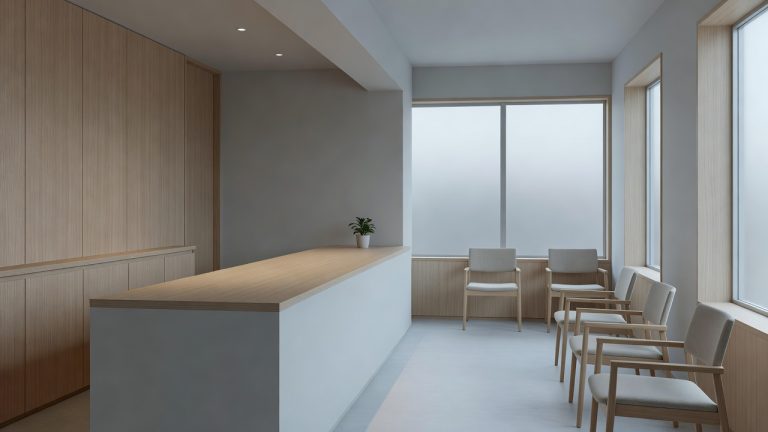
Finding a psychiatrist in Yokohama is hard enough when you’re already struggling. Add a language barrier, an unfamiliar healthcare system, and the very real possibility that the clinic’s website is entirely in Japanese — and what should be a straightforward task can feel genuinely overwhelming. Most expats start with a Google search, hit a wall of kanji, and give up. Others show up at a clinic only to discover that “English available” meant one staff member who studied it in high school. Mental health care is too important for that kind of guesswork. This page exists to cut through the confusion. Whether you’ve just moved to Yokohama, you’re going through a rough patch, or you’re managing an ongoing condition and need to find a new provider, we’ve done the legwork: actual English-language support levels, real station directions, booking realities, and honest notes on cost and insurance. No fluff, no filler — just what you actually need to get seen.
What to Expect at a Yokohama Psychiatrist Clinic
Japanese psychiatric clinics — seishin-ka or shinryounaika — operate a bit differently from what most Western expats are used to. A few things worth knowing before you walk in:
- First appointments are longer. Expect 30–60 minutes for an initial consultation, where the doctor will take a detailed history. Follow-up visits are often much shorter — sometimes 10–15 minutes — which can feel abrupt if you’re used to talk-heavy sessions back home.
- Booking is usually required. Walk-ins exist but are the exception. Most clinics want you to call or book online in advance. Wait times for a first appointment can range from same-week to several weeks depending on the clinic’s load.
- Bring your insurance card. If you’re enrolled in Japan’s National Health Insurance (NHI), bring your hoken-sho. It significantly reduces your out-of-pocket costs.
- Paperwork will likely be in Japanese. Intake forms, prescriptions, and discharge summaries are almost always Japanese-only. A tool like Jozu lets you upload those documents and get them translated, which is genuinely useful when you’re trying to understand what your doctor actually prescribed.
- Costs without insurance typically run ¥3,000–¥6,000 for an initial visit under NHI, and significantly more out-of-pocket if you’re uninsured.
English-Speaking Psychiatrists in Yokohama
We’re building this list carefully — only clinics we’ve actually verified for expat accessibility make it on here. Right now we have one confirmed listing, with more being added regularly as we vet them properly.
Yokohamashinryonaikayu Mental Clinic — Nishi Ward (near Yokohama Station)
Yokohamashinryonaikayu Mental Clinic is one of the more accessible psychiatric options in central Yokohama, sitting just a 2-minute walk from Kitasaiwai Station on the Municipal Subway Blue Line (Exit 2) — which puts it conveniently close to Yokohama Station’s broader transit hub. It carries a strong 4.3/5 rating across over 3,400 reviews, which for a psychiatric clinic is a meaningful signal that patients feel genuinely heard here. English support is listed as basic, so don’t expect a fully bilingual consultation — but basic English at a Japanese psychiatric clinic often means the doctor can follow your core concerns and communicate key information, which is more than many clinics offer. If your Japanese is limited, come with written notes summarizing your symptoms and history; it’ll make the most of the time you have.
We’re actively adding more verified English-friendly psychiatrists and mental health clinics in Yokohama. Check back regularly, or browse the full KantanHealth directory for the latest listings.
How to Book a Psychiatrist Appointment in Yokohama
Here’s how the process typically works, step by step:
- Step 1 — Check for online booking first. Many clinics now have web reservation systems. Look for 「予約」 (yoyaku, meaning reservation) on their website. Google Translate on your phone camera can help you navigate Japanese clinic pages.
- Step 2 — If calling, keep it simple. You don’t need perfect Japanese. A phrase like “Yoyaku shitai desu. Eigo ga hanasemasu ka?” (“I’d like to make an appointment. Do you speak English?”) gets the conversation started. Have your name and preferred dates ready.
- Step 3 — Confirm what to bring. At minimum: your insurance card (hoken-sho), a photo ID, and any existing prescriptions or medical records. If you have records from a psychiatrist in your home country, bring them — even in English. Many doctors appreciate the context.
- Step 4 — Arrive a few minutes early. Intake paperwork takes time, especially if you’re filling it out in Japanese. Bring a dictionary app or use your phone camera for real-time translation.
- Step 5 — Prepare a written summary. Jot down your main symptoms, how long you’ve had them, any medications you’re currently taking, and any relevant history. Handing this to the doctor saves time and reduces the burden on both of you when English is limited.
Insurance and Costs
If you’re enrolled in Japan’s National Health Insurance (NHI), psychiatric visits are covered at the standard rate — you’ll typically pay 30% of the total cost, which usually lands somewhere between ¥1,500 and ¥5,000 per visit depending on what’s done. Prescriptions are also partially covered. NHI is available to most residents with a valid visa, and if you haven’t signed up yet, your local ward office (kuyakusho) is where to start.
If you’re a shorter-term visitor or not yet enrolled in NHI, you’ll be paying full price out of pocket, which can be ¥10,000–¥20,000+ for an initial psychiatric consultation. In that case, travel or expat health insurance becomes important. SafetyWing’s Nomad Insurance is a popular option among expats and digital nomads in Japan — it’s affordable, easy to set up from abroad, and covers emergency and some outpatient care. It’s not a substitute for comprehensive coverage, but it’s a solid safety net if you’re between plans or newly arrived.
One practical note: mental health coverage varies significantly between insurance policies. Always confirm with your insurer whether outpatient psychiatric visits are included before you assume they are.
Finding the Right Clinic for You
Not every clinic will be the right fit, and that’s okay. Here’s a quick way to think through it:
- Fluent English vs. basic English: If you need to communicate nuanced emotional experiences, a fully bilingual psychiatrist is worth seeking out even if it means traveling further. For medication management or straightforward follow-ups, basic English is often workable.
- Central location vs. neighborhood clinic: Clinics near Yokohama Station are easier to reach from most of the city, but they’re also busier. Smaller neighborhood clinics may have shorter wait times and a more personal feel.
- Ongoing care vs. one-time consultation: If you’re new to Japan and just need an initial assessment or prescription renewal, almost any clinic on this list will do. For long-term therapy, the doctor-patient relationship matters more — take your time choosing.
One last thing worth mentioning: even basic Japanese goes a long way in healthcare settings. Learning a handful of medical phrases — how to describe your symptoms, how to ask about medication side effects — makes appointments smoother and helps you feel less at the mercy of the situation. If you want to build that foundation, iTalki connects you with Japanese tutors who can help you prepare specifically for medical conversations, which is a genuinely practical investment if you’re planning to stay in Japan long-term.