Finding an eye doctor in Yokohama sounds like it should be simple — until you actually try to do it as an expat. Most ophthalmology clinics in Japan operate almost entirely in Japanese: websites in Japanese, phone booking in Japanese, intake forms in Japanese, and staff who may speak little to no English. If you need a new glasses prescription, you’re managing. If something’s actually wrong with your eye, that language barrier starts to feel a lot more stressful. On top of that, Japan’s clinic system works differently from what most expats are used to — walk-ins are common but wait times can be brutal, the insurance paperwork is its own puzzle, and nobody tells you what to bring or what to expect until you’re already sitting in the waiting room, confused. This page exists to cut through that friction. We’ve pulled together the English-friendly ophthalmologists in Yokohama that are actually worth your time, plus the practical information you need to book, show up prepared, and understand what you’re paying for.
What to Expect at a Yokohama Ophthalmologist Clinic
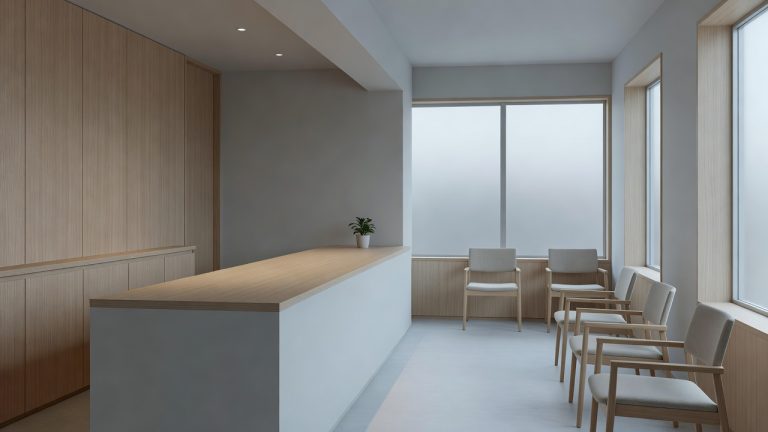
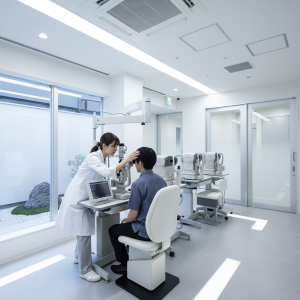
Japanese eye clinics — ganka (眼科) — tend to be efficient but busy. Many operate on a walk-in basis, especially for routine visits, but popular clinics can have waits of one to two hours even on a quiet morning. If a clinic offers online booking or phone reservations, use them. You’ll almost always fill out a paper intake form when you arrive, covering your symptoms, medical history, and insurance information. At an English-friendly clinic, this form may be available in English, but don’t count on it — if you’re dealing with Japanese paperwork, a tool like Jozu lets you photograph and translate medical forms, prescriptions, and other documents so you actually understand what you’re signing. A standard first appointment typically includes a visual acuity test, intraocular pressure check, and a consultation with the ophthalmologist. If you need a glasses or contact lens prescription, that’s usually handled the same visit. Budget 30–90 minutes total depending on wait times.
English-Speaking Ophthalmologists in Yokohama
We’re building this list carefully — only clinics where English-speaking expats have a genuinely workable experience make it in. Here’s who we currently have listed in Yokohama:
Bay City Eye Clinic — Nishi Ward (Kitasaiwai)
Bay City Eye Clinic is one of the more expat-accessible ophthalmology options in Yokohama, with fluent English spoken at the clinic — which makes a real difference when you’re trying to describe something like blurry vision or eye discomfort and need to be understood precisely. The clinic is just a two-minute walk from Kitasaiwai Station on the Sotetsu Line, which is convenient if you’re coming from central Yokohama or the west side of the city. They handle comprehensive eye examinations along with glasses and contact lens prescriptions, so whether you’re due for a routine check or need to sort out corrective eyewear in Japan, this is a solid starting point.
We’re actively adding more providers to this section — check back regularly as the Yokohama listings grow.
How to Book an Ophthalmologist Appointment in Yokohama
Here’s how to actually get yourself in front of an eye doctor without the usual confusion:
- Check the clinic’s website first. Some clinics, including more expat-friendly ones, offer online booking. Use it if it’s available — it sidesteps the phone call entirely.
- Calling by phone. If you need to call, a simple opener is: 「英語は話せますか?」(Eigo wa hanasemasu ka?) — “Can you speak English?” Most receptionists at English-friendly clinics will switch over or find someone who can help.
- What to say when booking: 「予約をしたいのですが」(Yoyaku wo shitai no desu ga) — “I’d like to make an appointment.” Have your preferred date and time ready.
- What to bring: Your health insurance card (hoken-sho), a photo ID, and any relevant medical records or previous prescriptions. If you’re on private insurance, bring your policy details.
- Arrive a few minutes early. You’ll fill out intake paperwork before you see the doctor, and rushing through it doesn’t help anyone.
If you want to feel more confident navigating these calls and appointments in Japanese, picking up even a handful of basic medical phrases goes a long way. iTalki is a good way to work with a Japanese tutor on exactly that kind of practical, situational vocabulary.
Insurance and Costs
If you’re enrolled in Japan’s National Health Insurance (Kokumin Kenko Hoken, or NHI), you’re in reasonable shape. NHI covers most standard ophthalmology visits — a basic consultation and exam will typically cost you 1,000–3,000 yen out of pocket after your 30% co-pay. Glasses and contact lenses are generally not covered under NHI (with narrow exceptions for certain medical conditions), so expect to pay full price for corrective eyewear.
If you’re not on NHI — common for short-stay expats, digital nomads, or people between jobs — costs jump significantly. An uninsured eye exam in Japan can run 5,000–15,000 yen or more depending on what’s involved. For expats without local health coverage, SafetyWing is worth a look — their Nomad Insurance plan covers medical visits including specialist care, and it’s designed to be flexible for people who move around or aren’t on traditional employer plans. Check your specific policy terms for ophthalmology coverage before assuming you’re covered.
Finding the Right Clinic for You
Not every situation calls for the same clinic. Here’s a quick way to think about it:
- Need fluent English? Don’t compromise — go to a clinic specifically listed as fluent. Describing eye symptoms inaccurately can lead to the wrong treatment.
- Routine prescription update? Any of the listed clinics will handle this efficiently. Book ahead if you can to avoid long waits.
- Urgent issue? Eye problems that come on suddenly — flashes, floaters, sudden vision loss — warrant an emergency room visit, not a standard clinic appointment. Head to the nearest hospital with an ophthalmology department.
- Location matters. If you’re in central or west Yokohama, Bay City Eye Clinic near Kitasaiwai is well-positioned. Factor in travel time, especially if your vision is already compromised.