Finding an eye doctor in Sapporo when you don’t speak Japanese fluently is one of those expat experiences that sounds simple until you’re actually trying to do it. Ophthalmology clinics in Hokkaido’s capital are plentiful — the city has excellent medical infrastructure — but almost all of them operate entirely in Japanese. That means booking by phone (usually required), filling out handwritten intake forms with no English translation, and trying to describe symptoms like “floaters,” “astigmatism,” or “my prescription feels off” using gestures and Google Translate. Then there’s the insurance question: does your employer’s health plan cover this? What about your travel insurance? And if you’re just visiting Sapporo short-term, do you even qualify for the public system? This page exists to cut through that confusion. We’ll walk you through what to expect at a Sapporo eye clinic, how to actually book an appointment as a foreigner, what it’ll cost, and — once our directory listings are live — which clinics have real English support. Let’s make this easier than it needs to be.
What to Expect at a Sapporo Ophthalmologist Clinic
Japanese eye clinics — ganka (眼科) — tend to be efficient and well-equipped, but the experience can feel disorienting if you’re not prepared. Most clinics don’t take same-day appointments; you’ll typically book a few days in advance, often by phone. Walk-ins exist but usually mean a long wait. When you arrive, expect to fill out a paper intake form asking about your symptoms, medical history, and insurance. These forms are almost always in Japanese only — if you can photograph and translate them beforehand using a service like Jozu, which lets you upload Japanese documents and get them translated, that’ll save you real stress at the front desk.
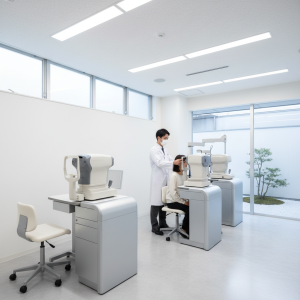
First appointments usually involve a vision test, eye pressure check, and a consultation with the ophthalmologist. Bring your health insurance card (hoken-sho), a list of any current medications, and your existing glasses or contact lens prescription if relevant. Wait times at popular clinics can run 30–60 minutes even with an appointment. Costs with National Health Insurance are very reasonable — typically ¥1,000–¥3,000 out of pocket for a standard consultation. Without insurance, expect to pay the full amount, which is still often lower than Western equivalents.
English-Speaking Ophthalmologists in Sapporo
We’re actively building out our Sapporo eye care listings and don’t have verified English-speaking ophthalmologists in our directory just yet. Finding providers who can genuinely communicate in English — not just read a prescription label — takes time to verify properly, and we’d rather tell you that honestly than point you toward a clinic that’ll leave you struggling.
That said, here’s what we know from the broader Sapporo expat community: Hokkaido University Hospital (Hokudai Byoin), located near Kitajuichijo Station, has international patient support staff and is often the first recommendation for expats dealing with anything more complex than a routine contact lens check. It’s a teaching hospital, which means longer waits, but also means you’re more likely to encounter doctors who’ve trained internationally or have some English ability. For routine visits — prescription renewals, dry eye treatment, minor irritation — neighborhood ganka clinics are perfectly capable, even if communication is limited to pointing and phone translation.
We’re adding verified providers regularly. If you’ve had a good experience at an English-friendly eye clinic in Sapporo, let us know — community tips are how this directory grows.
How to Book an Ophthalmologist Appointment in Sapporo
Here’s the practical step-by-step:
- Find a clinic near you. Search ganka (眼科) on Google Maps with your location. Check the clinic’s website — some now have online booking forms, though they’re usually in Japanese.
- Call to book. Most Sapporo clinics still prefer phone reservations. When you call, you can say: “Yoyaku shitai no desu ga, eigo ga hanaseru kata wa imasuka?” — “I’d like to make an appointment; is there someone who speaks English?” Don’t be surprised if the answer is no, but it’s worth asking.
- Confirm the basics by phone. Say your name slowly, ask for a morning slot (gozen) or afternoon slot (gogo), and confirm the date back to them.
- What to bring: Your health insurance card, photo ID (residence card or passport), a written note in Japanese describing your main symptom (Google Translate is fine for this), your current glasses or contact lens prescription, and cash — many clinics don’t take foreign credit cards.
- Arrive 10–15 minutes early to handle paperwork without rushing.
If you want to feel more confident at medical appointments generally, even a few sessions focused on basic Japanese medical vocabulary can make a real difference. iTalki is a solid option for finding a tutor who can walk you through the specific phrases you’ll actually use — things like describing eye symptoms, asking about side effects of eye drops, or understanding discharge instructions.
Insurance and Costs
If you’re a registered resident of Japan enrolled in National Health Insurance (NHI / Kokumin Kenko Hoken), you’ll typically pay 30% of the cost of your visit — which for a standard ophthalmology consultation usually works out to ¥1,000–¥3,000. Prescription eye drops and follow-up visits are similarly affordable under NHI. Contact lens fittings are sometimes treated as cosmetic and may not be covered, so ask before assuming.
If you’re visiting Japan or haven’t yet enrolled in NHI, you’ll pay the full cost out of pocket. Eye care in Japan is still relatively inexpensive by global standards — a full consultation without insurance might run ¥5,000–¥10,000 — but it adds up if you need multiple visits or specialist referrals.
For short-term visitors or digital nomads, SafetyWing’s Nomad Insurance covers emergency and unexpected medical care, including eye emergencies, at very reasonable monthly rates. It’s not designed for routine prescription renewals, but if you’re in Sapporo temporarily and something goes wrong with your vision, it’s worth having. Long-term expats with employer coverage should check whether their plan explicitly covers outpatient specialist visits — some corporate plans have gaps around vision care that aren’t obvious until you’re at the payment window.
Finding the Right Clinic for You
Not every expat needs the same thing from an eye clinic, so here’s a quick way to think about it:
- Routine contact lens or glasses prescription renewal: Any neighborhood ganka clinic will do. Bring your current prescription, use your phone to translate, and the process is usually straightforward even without shared language.
- Ongoing condition (glaucoma, macular degeneration, etc.): Prioritize a clinic with confirmed English ability or go directly to Hokkaido University Hospital’s outpatient department where international support is more likely.
- Urgent or emergency eye issue: Head to the nearest large hospital’s emergency department. In central Sapporo, Sapporo City General Hospital near Odori is a reasonable option.
- You’re only in Sapporo briefly: Check whether your travel insurance covers the visit before you go, and keep all receipts for reimbursement claims.
The honest reality is that English support in Sapporo eye clinics is inconsistent — some doctors have strong English, most have limited conversational ability, and front desk staff are rarely English-speaking. That’s not a criticism of the clinics; it’s just the landscape. Going in prepared — with written symptom notes, your insurance card, and a little patience — makes the difference between a frustrating visit and a perfectly functional one. We’ll keep updating this page as verified English-friendly providers are added to the KantanHealth directory.