Finding an ear, nose, and throat specialist in Sapporo when you don’t speak Japanese fluently is one of those healthcare experiences that sounds straightforward until you’re actually in it. You’ve got a sinus infection that won’t quit, or your kid’s ear has been bothering them for a week, and suddenly you’re trying to figure out which clinics have English-speaking staff, whether you can book online or need to call, and how to explain your symptoms without accidentally describing something completely different. Most ENT clinics in Sapporo are small, neighborhood practices — excellent care, but minimal English signage and phone staff who may not speak any English at all. Add in the paperwork (often Japanese-only), the insurance question, and the fact that Google results are mostly in Japanese, and what should be a simple appointment becomes a half-day research project. This page exists to cut through that. We’ve listed the English-friendly ENT clinics we’ve actually verified in Sapporo, along with everything you need to walk in prepared.
What to Expect at a Sapporo ENT Clinic
Japanese ENT clinics — called jibika (耳鼻科) — are typically small, specialized practices rather than large hospital departments. Most operate on a first-come, first-served basis for walk-in patients, though many now offer online or phone reservations. Expect a wait. Even with an appointment, 20–40 minutes is common during cold and allergy seasons, which in Sapporo means late winter through spring.
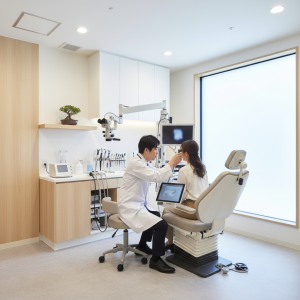
At your first visit, you’ll fill out a patient registration form in Japanese. Bring your health insurance card (hoken-sho), and if you have one, your residence card. The doctor will typically examine your ears, nose, and throat using standard equipment — the process is fast and efficient. Consultations are short by Western standards, often 5–10 minutes, so come with your symptoms written down clearly.
Costs under Japan’s National Health Insurance (NHI) are very reasonable — most standard ENT visits run ¥1,500–¥3,000 out of pocket after your coverage kicks in. Medication is dispensed at a separate pharmacy (yakkyoku) with a prescription, adding another small cost. Without insurance, expect to pay full price, which is still often lower than you’d expect.
English-Speaking ENTs in Sapporo
We’re building this list carefully — only clinics we’ve verified as genuinely accessible for English speakers make it on here. Right now we have one confirmed listing, with more being added regularly as we verify them.
Suzuki ENT Clinic — Kiyota-ku
Suzuki ENT Clinic is a specialized otolaryngology practice in Kiyota-ku with a strong 4.4/5 rating and staff who can hold a real conversation in English — not just point at a chart. It’s a 7-minute walk from Kiyota-ku Kōen Station on the Sapporo Subway Tōzai Line, which makes it genuinely accessible if you’re coming from central Sapporo. For expats who’ve been burned by clinics that claim “a little English” and then hand you a Japanese-only intake form with a shrug, the conversational English level here is a meaningful difference.
We’re actively adding more verified English-friendly ENT clinics in Sapporo — check back regularly or browse the full KantanHealth directory for updates.
How to Book an ENT Appointment in Sapporo
Here’s the practical breakdown:
- Online booking: Many Sapporo clinics now use systems like LINE, their own website forms, or third-party platforms. Check the clinic’s KantanHealth profile for a direct booking link before you try to call — it’s often easier and sidesteps the language barrier entirely.
- Phone booking: If you need to call, a simple phrase helps: 「英語を話せるスタッフはいますか?」 (Eigo wo hanaseru sutaffu wa imasu ka?) — “Is there a staff member who speaks English?” You can also say your name slowly and ask for the earliest available appointment: 「予約をお願いしたいです。」 (Yoyaku wo onegai shitai desu.)
- What to bring: Your health insurance card, your residence card or passport, and a written note of your symptoms in simple English (or Japanese if you can manage it). If you have previous medical records, prescriptions, or discharge summaries in Japanese, a platform like Jozu lets you upload and translate those documents so you actually understand what you’re handing the doctor.
- Arrive early: Walk-in slots fill up fast, especially on weekday mornings. Getting there 15–20 minutes before opening is not overkill.
Insurance and Costs
If you’re a registered resident of Japan, you’re required to be enrolled in the National Health Insurance system (NHI / kokumin kenko hoken). NHI covers 70% of most medical costs, meaning your out-of-pocket share for a standard ENT visit is typically ¥1,500–¥3,000, plus ¥500–¥1,500 for any prescribed medication. That’s genuinely affordable.
If you’re visiting Japan or not yet enrolled in NHI, you’ll pay the full (uninsured) rate — still often cheaper than comparable care in the US or Australia, but worth budgeting for. SafetyWing’s Nomad Insurance is a popular option among expats and long-term travelers for exactly this situation — it’s designed for people living abroad and covers doctor visits including specialist care. Worth looking at before you need it, not after.
Keep receipts for everything. If you have employer-provided or private international insurance, most plans reimburse Japanese clinic visits — you’ll just need an itemized receipt, which clinics here provide without issue.
Finding the Right Clinic for You
A few quick questions to help you decide:
- Do you need fluent English? Prioritize clinics rated “conversational English” or higher on KantanHealth — like Suzuki ENT Clinic. Basic English is fine for simple issues; for complex symptoms or ongoing conditions, fluency matters more.
- Walk-in or appointment? If your issue is acute (sudden hearing loss, severe ear pain), aim to walk in early. For non-urgent issues, booking ahead saves waiting time.
- Location: Kiyota-ku is a residential area — easy on the subway but not central. Factor in travel time, especially in Sapporo’s winters.
And honestly — if you’re planning to stay in Japan long-term, even picking up a handful of medical Japanese phrases makes these appointments significantly smoother. iTalki is a solid way to find Japanese tutors who can run through exactly the vocabulary you’d actually use at a clinic, at your own pace.