Finding an ear, nose, and throat specialist in Hiroshima when you don’t speak Japanese is one of those tasks that sounds simple until you actually try it. ENT issues — a stubborn sinus infection, sudden hearing loss, vertigo, a throat that won’t quit — tend to show up fast and feel urgent, and that’s exactly when navigating a foreign healthcare system feels most overwhelming. The core friction is real: most ENT clinics in Hiroshima don’t advertise in English, their online booking systems are Japanese-only, and calling ahead to ask about English-speaking staff is its own linguistic challenge. Then there’s the question of whether your insurance covers it, what documents to bring, and how to explain symptoms like “my ear feels blocked and keeps ringing” to a receptionist who may smile politely and hand you a form you can’t read. This page exists to cut through that confusion. We’ll walk you through what to expect at a Hiroshima ENT clinic, how to book, what it’ll cost, and how to find the right fit for your situation — even when the language barrier is real.
What to Expect at a Hiroshima ENT Clinic
ENT clinics in Japan — called 耳鼻咽喉科 (jibi inkōka) — are typically small, specialist outpatient clinics rather than departments inside a large hospital. Most operate on a first-come, first-served basis with morning and afternoon sessions, though some larger clinics now offer online reservation systems. Walk-in is common, but arriving early (before 9am or just before the afternoon session at 2–3pm) saves you a long wait.
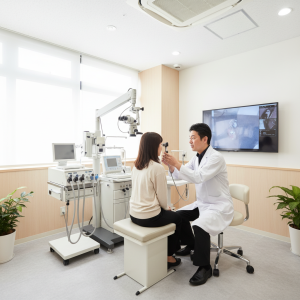
At your first appointment, you’ll fill out a registration form covering your symptoms, medical history, and insurance details. Bring your health insurance card — if you’re on National Health Insurance (NHI), this covers 70% of costs for most consultations. The doctor will typically examine your ears, nose, and throat using a scope, and may prescribe medication on the spot. Prescriptions are filled at a separate pharmacy (yakkyoku) next door or nearby. Expect to pay somewhere between ¥1,500–¥3,500 out of pocket for a standard consultation with NHI. Without insurance, that figure climbs to ¥5,000–¥15,000 depending on what’s done. Waits at busy clinics can run 30–60 minutes even with a reservation.
English-Speaking ENTs in Hiroshima
We’re currently building out this section of our directory. Finding verified English-friendly ENT clinics in Hiroshima takes time — we’d rather list providers we’ve actually confirmed than pad this page with names we can’t stand behind. We’re adding new providers regularly, so check back soon or browse the full KantanHealth directory for the latest listings across all specialties in Hiroshima.
In the meantime, the sections below will help you navigate the process — booking, costs, what to bring — so you’re prepared the moment you find a clinic that works for you, whether through our directory or your own search.
How to Book an ENT Appointment in Hiroshima
Step 1 — Check for online booking first. Some larger ENT clinics in Hiroshima use platforms like Caloo or their own site for reservations. Look for a button that says 予約 (yoyaku) — that means “reservation.” Google Maps listings often link directly to these.
Step 2 — Calling ahead. If you need to phone, keep it simple. Try: “Eigo ga hanasemasu ka?” (Do you speak English?) If the answer is yes or even a hesitant “a little,” you’re in good shape. If not, you can still say: “Yoyaku shitai desu. [Your name] desu.” (I’d like to make a reservation. I’m [name].)
Step 3 — What to bring. Your health insurance card is non-negotiable. Also bring your residence card (zairyu card), a list of any medications you’re currently taking (generic names work best), and if you have previous medical records or discharge summaries in Japanese, bring those too. If you’ve received any Japanese medical paperwork you can’t read, Jozu lets you upload documents like prescriptions, referral letters, and insurance forms to get them translated and saved — useful for keeping your medical history organized across clinics.
Step 4 — Arrive early. Even with a reservation, Japanese clinics often run on a queue system within your time slot. Getting there 10–15 minutes early means less waiting.
Insurance and Costs
If you’re a resident enrolled in Japan’s National Health Insurance (NHI), you’ll pay 30% of the cost of most ENT consultations — typically ¥1,500–¥3,500 for a standard visit, plus a small dispensing fee at the pharmacy. Procedures like ear irrigation, nasal endoscopy, or allergy testing will add to that, but still at the subsidized rate. Make sure your NHI card is current; if you’ve recently moved within Hiroshima, your card needs to reflect your new ward.
If you’re visiting Japan or not yet enrolled in NHI, you’ll be paying out of pocket. Short-term visitors and digital nomads should look at SafetyWing Nomad Insurance — it’s one of the more practical options for covering unexpected medical visits abroad, including specialist consultations, and it’s priced in a way that actually makes sense for people who move around. Claims for outpatient specialist visits are generally straightforward to submit.
Keep all your receipts and any itemized billing statements (ryōshūsho) — you’ll need these for insurance reimbursement claims regardless of your provider.
Finding the Right Clinic for You
Not every ENT situation is the same, and neither is every clinic. Here’s a quick way to think about it:
- Urgent issue (sudden hearing loss, severe vertigo, nosebleed that won’t stop): Go to the ENT department at a major hospital like Hiroshima University Hospital or Hiroshima City Hospital — they have more resources and some English support staff.
- Routine issue (sinus infection, ear wax, mild allergy symptoms): A local neighborhood ENT clinic is faster, cheaper, and less chaotic. Walk-in is usually fine.
- English fluency matters a lot to you: Wait for our directory listings or ask your company’s HR or local expat groups (Hiroshima Expats on Facebook is active) for personal referrals.
- You can manage with basic communication: Most ENT exams are fairly visual and procedural — doctors can often show you what they’re seeing on a monitor. It’s more manageable than you might expect.
And honestly, one of the best things you can do before any medical appointment in Japan is learn a handful of symptom-related phrases. Being able to say “mimi ga itai” (my ear hurts) or “hana ga tsumatte imasu” (my nose is blocked) makes a real difference in how smoothly things go. If you want to build that kind of practical Japanese before your appointment, iTalki connects you with Japanese tutors who can walk you through medical vocabulary and role-play clinic scenarios — surprisingly useful, and you can book a single session without committing to a course.
Hiroshima’s healthcare system is genuinely good. The challenge for expats isn’t quality — it’s access and communication. The more prepared you are before you walk through the door, the less stressful the whole thing becomes. We’ll keep updating this page as we add verified English-friendly ENT providers to the KantanHealth directory, so bookmark it and check back.