Introduction: Pharmacies in Japan
Japan has two main types of pharmacy. The first is the 調剤薬局 (chouzai yakkyoku), a dispensing pharmacy that fills prescriptions written by doctors. The second is the ドラッグストア (doraggu sutoa), a drugstore chain that sells over-the-counter (OTC) medicines, cosmetics, and daily goods.
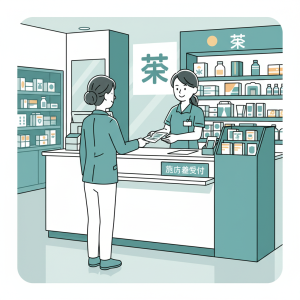
When you visit a Japanese clinic or hospital, the doctor will give you a 処方箋 (shohousen), a prescription slip. In Japan, prescriptions are typically not filled at the hospital itself. You take your prescription to a nearby dispensing pharmacy, which is often located just outside the hospital or clinic. You hand it over to the pharmacist (薬剤師 yakuzaishi), wait for your medication to be prepared, then receive a detailed explanation of how to take it.
For minor ailments, you can visit any drugstore and buy OTC medication without a prescription. Staff at these stores are sometimes registered pharmacists but not always. This guide gives you the scripts you need for both situations.
Handing Over a Prescription
When you walk into a dispensing pharmacy, approach the counter and present your prescription slip. Use the phrases below.
処方箋をお願いします。
Shohousen o onegai shimasu.
"I have a prescription, please."
こちらの処方箋をお願いできますか?
Kochira no shohousen o onegai dekimasu ka?
"Could you fill this prescription for me?"
The pharmacist may ask for your name, date of birth, or insurance card. Common questions you might hear:
お名前をお聞かせいただけますか?
Onamae o okikase itadakemasu ka?
"May I have your name?"
保険証はお持ちですか?
Hokenshou wa omochi desu ka?
"Do you have your insurance card?"
Useful responses:
はい、こちらです。
Hai, kochira desu.
"Yes, here it is."
保険証を持っていません。
Hokenshou o motte imasen.
"I do not have an insurance card."
どのくらい待ちますか?
Dono kurai machimasu ka?
"How long will the wait be?"
Asking About Over-the-Counter Medication
For common symptoms, use the phrases below at a drugstore. You can also point to your body to help communicate.
Head and Cold Symptoms
風邪薬はありますか?
Kazegusuri wa arimasu ka?
"Do you have cold medicine?"
頭が痛いのですが、何かありますか?
Atama ga itai no desu ga, nanika arimasu ka?
"I have a headache. Do you have something for it?"
熱があります。解熱剤をください。
Netsu ga arimasu. Genekkizai o kudasai.
"I have a fever. Please give me a fever reducer."
Stomach and Digestive Issues
胃が痛いのですが、何かありますか?
I ga itai no desu ga, nanika arimasu ka?
"My stomach hurts. Do you have something for it?"
下痢止めはありますか?
Geridome wa arimasu ka?
"Do you have medicine for diarrhea?"
便秘薬はありますか?
Benpisuri wa arimasu ka?
"Do you have something for constipation?"
Allergies and Skin
花粉症の薬はありますか?
Kafunshou no kusuri wa arimasu ka?
"Do you have medicine for hay fever / pollen allergies?"
かゆみ止めはありますか?
Kayumidome wa arimasu ka?
"Do you have anti-itch medication?"
湿疹に効くクリームはありますか?
Shisshin ni kiku kuriimu wa arimasu ka?
"Do you have a cream that works for rashes?"
Throat and Cough
のどが痛いです。
Nodo ga itai desu.
"My throat hurts."
咳止めはありますか?
Sekidome wa arimasu ka?
"Do you have cough medicine?"
Asking About Dosage and Instructions
After receiving your medication, the pharmacist will usually explain how to take it. However, if the explanation is too fast or unclear, use these phrases.
すみません、もう一度ゆっくり言っていただけますか?
Sumimasen, mou ichido yukkuri itte itadakemasu ka?
"Excuse me, could you say that again more slowly?"
この薬の飲み方を教えてください。
Kono kusuri no nomikata o oshiete kudasai.
"Please tell me how to take this medicine."
一回何錠飲めばいいですか?
Ikkai nanjou nomeba ii desu ka?
"How many tablets should I take at once?"
一日何回飲みますか?
Ichinichi nankai nomimasu ka?
"How many times a day do I take it?"
食前に飲みますか、食後に飲みますか?
Shokuzen ni nomimasu ka, shokugo ni nomimasu ka?
"Do I take it before meals or after meals?"
水で飲んでいいですか?
Mizu de nonde ii desu ka?
"Is it okay to take it with water?"
副作用はありますか?
Fukusayou wa arimasu ka?
"Are there any side effects?"
アルコールと一緒に飲んでもいいですか?
Arukooru to issho ni nonde mo ii desu ka?
"Is it okay to drink alcohol while taking this?"
Asking If There Is an English-Speaking Pharmacist
Not all pharmacies have English-speaking staff, but it is always worth asking. Some larger chains and hospital pharmacies in major cities do have staff who can assist in English.
英語を話せる薬剤師はいますか?
Eigo o hanaseru yakuzaishi wa imasu ka?
"Is there a pharmacist who speaks English?"
英語で説明していただけますか?
Eigo de setsumei shite itadakemasu ka?
"Could you explain it to me in English?"
英語の説明書はありますか?
Eigo no setsumeisho wa arimasu ka?
"Is there an instruction sheet in English?"
If they cannot help in English, try showing text on your phone translated into Japanese, or ask them to write it down:
書いていただけますか?
Kaite itadakemasu ka?
"Could you write it down for me?"
紙に書いてもらえますか?
Kami ni kaite moraemasu ka?
"Could you write it on paper for me?"
Paying and Leaving
After the pharmacist has explained your medication, you proceed to the register to pay. In dispensing pharmacies, the price will reflect your insurance copay if you have Japanese health insurance. Without insurance, you pay full price.
いくらですか?
Ikura desu ka?
"How much is it?"
クレジットカードは使えますか?
Kurejitto kaado wa tsukaemasu ka?
"Can I use a credit card?"
交通系ICカードは使えますか?
Koutsuukei IC kaado wa tsukaemasu ka?
"Can I use a transit IC card (like Suica or Pasmo)?"
領収書をください。
Ryoushuusho o kudasai.
"Please give me a receipt."
Common things you will hear when leaving:
お大事に。
Odaiji ni.
"Take care of yourself." / "Get well soon."
You can simply reply:
ありがとうございます。
Arigatou gozaimasu.
"Thank you very much."
Key Vocabulary
- 薬局 (yakkyoku) — pharmacy
- 調剤薬局 (chouzai yakkyoku) — dispensing pharmacy (fills prescriptions)
- ドラッグストア (doraggu sutoa) — drugstore (OTC products)
- 処方箋 (shohousen) — prescription
- 薬剤師 (yakuzaishi) — pharmacist
- 薬 (kusuri) — medicine / drug
- 錠剤 (jouzai) — tablet
- カプセル (kapuseru) — capsule
- 粉薬 (konagusuri) — powdered medicine
- 塗り薬 (nurigusuri) — ointment / cream
- 目薬 (megusuri) — eye drops
- 用量 (yoryou) — dosage
- 服用 (fukuyou) — taking medicine orally
- 食前 (shokuzen) — before meals
- 食後 (shokugo) — after meals
- 食間 (shokukan) — between meals
- 副作用 (fukusayou) — side effects
- アレルギー (arerugii) — allergy
- 保険証 (hokenshou) — health insurance card
- ジェネリック (jenerikku) — generic medicine
- 先発品 (senpatsuhin) — brand-name medicine
- 解熱剤 (genetsuzai) — fever reducer
- 痛み止め (itamidome) — painkiller
- 咳止め (sekidome) — cough suppressant
- 下痢止め (geridome) — anti-diarrheal medicine
- 花粉症 (kafunshou) — hay fever / pollen allergy
Helpful Tips for Expats
- Generic vs Brand Name: Japan has a strong culture of brand-name medication, but generics (ジェネリック jenerikku) are available and significantly cheaper. At a dispensing pharmacy you can request generics by saying: ジェネリックにできますか? (Jenerikku ni dekimasu ka?) “Can I switch to the generic?” Pharmacists are required to explain the option when applicable.
- Major Pharmacy Chains: Japan has several large drugstore chains including Matsumoto Kiyoshi (マツモトキヨシ), Sugi Yakkyoku (スギ薬局), Welcia (ウエルシア), Tsuruha Drug (ツルハドラッグ), and Cosmos Drug (コスモス薬品). Chains in urban areas and near international hospitals are more likely to have English-speaking staff or bilingual signage.
- Hospital Pharmacies vs Street Pharmacies: After a clinic visit, you are free to take your prescription to any licensed dispensing pharmacy, not just the one closest to the clinic. Prices for the medication itself are standardized nationally, but dispensing fees may vary slightly.
- Bring Your Insurance Card: If you have Japanese National Health Insurance (国民健康保険 kokumin kenkou hoken) or employer insurance, always bring your card. It reduces your out-of-pocket cost to typically 30% of the total.
- Medicine Notebook (お薬手帳 okusuri techou): Japanese pharmacies issue a small booklet called an お薬手帳 (okusuri techou) where all your dispensed medications are recorded. Keep this and bring it every time you visit any pharmacy. This helps pharmacists check for drug interactions. You can request one by saying: お薬手帳をください。(Okusuri techou o kudasai.)
- OTC Limits: Some medications common in other countries are tightly controlled or unavailable OTC in Japan. Certain antihistamines, strong painkillers, and sleeping aids may require a prescription. Do not attempt to bring large quantities of foreign medication into Japan without checking customs regulations.
- Translation Apps: Apps like Google Translate with camera mode can help you read Japanese medication packaging. However, always confirm with a pharmacist if you are unsure about instructions or ingredients.
- After-Hours Pharmacies: Most pharmacies close by 8pm or earlier. For emergencies, look for 夜間対応薬局 (yakanntaiou yakkyoku), a night-service pharmacy. Larger hospitals also have 24
Traveling or new to Japan? SafetyWing offers affordable travel health insurance that covers emergency medical care while you sort out your long-term coverage.
Want to communicate better at the clinic? Even basic Japanese goes a long way — iTalki connects you with Japanese tutors for one-on-one lessons from ¥500/hour.
Can’t read your prescription label? Jozu lets you photograph and translate Japanese medical documents — including prescription instructions — so you know exactly what you’re taking and when.