Japanese Dental Appointment Script Guide for Expats
Introduction
Japan has one of the most reliable and affordable dental care systems in the world. Dental clinics are widespread across cities and towns, staff are highly trained, and the equipment is modern. With national health insurance (国民健康保険, Kokumin Kenko Hoken) covering a significant portion of most standard treatments, expats are often pleasantly surprised by how manageable the costs are. The main challenge for many foreigners is the language barrier, since English-speaking dentists are not always available. This guide gives you practical Japanese scripts and phrases to help you book an appointment, describe your symptoms, follow the treatment process, and pay your bill — all with confidence.
Booking by Phone — First-Time Patient
When calling a dental clinic for the first time, you will usually speak to a receptionist. Keep the call simple and focused. Have your health insurance card (保険証, hokensho) ready and know your basic schedule availability before you call.
You: もしもし、予約をお願いしたいのですが。
     Moshi moshi, yoyaku o onegai shitai no desu ga.
     Hello, I would like to make an appointment.

Receptionist: はじめてのご来院ですか?
              Hajimete no raiin desu ka?
              Is this your first visit?

You: はい、はじめてです。
     Hai, hajimete desu.
     Yes, it is my first visit.

Receptionist: お名前をお願いします。
              Onamae o onegai shimasu.
              May I have your name?

You: [Your name] と申します。
     [Your name] to moushimasu.
     My name is [Your name].

Receptionist: どのようなご症状ですか?
              Dono you na goshoujo desu ka?
              What are your symptoms?

You: 歯が痛いです。/定期検診を受けたいです。
     Ha ga itai desu. / Teiki kenshin o uketai desu.
     I have a toothache. / I would like a routine check-up.

Receptionist: ご都合のよい日はいつですか?
              Gotsugo no yoi hi wa itsu desu ka?
              What day works best for you?

You: 今週の土曜日は空いていますか?
     Konshuu no doyoubi wa aite imasu ka?
     Is this Saturday available?

Receptionist: 午前10時はいかがでしょうか?
              Gozen juuji wa ikaga deshou ka?
              How does 10 o'clock in the morning sound?

You: はい、お願いします。ありがとうございます。
     Hai, onegai shimasu. Arigatou gozaimasu.
     Yes, that works. Thank you very much.
Useful extra phrases when booking:
- 保険証は使えますか? — Hokensho wa tsukaemasu ka? — Can I use my health insurance card?
- 英語が話せるスタッフはいますか? — Eigo ga hanaseru sutaffu wa imasu ka? — Do you have any English-speaking staff?
- 初診の場合、何か持ってくるものはありますか? — Shoshin no baai, nanika motte kuru mono wa arimasu ka? — Is there anything I need to bring as a new patient?
- 予約をキャンセルしたい場合、何時間前に連絡すればいいですか? — Yoyaku o kyanseru shitai baai, nanjikan mae ni renraku sureba ii desu ka? — If I need to cancel, how far in advance should I call?
Describing Dental Symptoms
Being able to clearly describe what is bothering you will help the dentist understand your situation quickly. Below are scripts for the most common dental complaints.
Toothache
歯が痛いです。
Ha ga itai desu.
I have a toothache.

右上の奥歯がズキズキします。
Migi ue no okuba ga zukizuki shimasu.
My upper right molar is throbbing.

左の歯が急に痛くなりました。
Hidari no ha ga kyuu ni itaku narimashita.
The pain in my left tooth came on suddenly.

痛みは昨日から続いています。
Itami wa kinou kara tsuzuite imasu.
The pain has been going on since yesterday.

噛むと痛いです。
Kamu to itai desu.
It hurts when I bite down.
Sensitivity
冷たいものを食べると歯がしみます。
Tsumetai mono o taberu to ha ga shimimasu.
My tooth is sensitive to cold foods.

熱いものでもしみます。
Atsui mono demo shimimasu.
It is also sensitive to hot things.

甘いものを食べると痛みがあります。
Amai mono o taberu to itami ga arimasu.
I get pain when I eat sweet foods.
Broken or Chipped Tooth
歯が欠けてしまいました。
Ha ga kakete shimaimashita.
My tooth has chipped.

歯が折れました。
Ha ga oremashita.
My tooth is broken.

詰め物が取れました。
Tsumemono ga toremashita.
My filling has fallen out.

被せ物(クラウン)が外れました。
Kaburimono (kuraun) ga hazuremashita.
My crown has come off.
Routine Check-Up and Cleaning
定期検診と歯のクリーニングをお願いしたいです。
Teiki kenshin to ha no kuriiningu o onegai shitai desu.
I would like a routine check-up and teeth cleaning.

特に痛みはないですが、確認してもらいたいです。
Toku ni itami wa nai desu ga, kakunin shite morai tai desu.
I do not have any particular pain, but I would like everything checked.

歯茎が少し腫れている気がします。
Haguki ga sukoshi harete iru ki ga shimasu.
I feel like my gums are a little swollen.
At the Clinic — Checking In
Arrive five to ten minutes early if possible. You will typically be handed a paper questionnaire (問診票, mondouhyou) to fill out covering your health history, current symptoms, and medications. Bring your insurance card and any relevant documents.
You: すみません、10時に予約している[Your name]です。
     Sumimasen, juuji ni yoyaku shite iru [Your name] desu.
     Excuse me, I have a 10 o'clock appointment. My name is [Your name].

Receptionist: 保険証をお持ちですか?
              Hokensho o omochi desu ka?
              Do you have your insurance card with you?

You: はい、こちらです。
     Hai, kochira desu.
     Yes, here it is.

Receptionist: こちらの問診票にご記入をお願いします。
              Kochira no mondouhyou ni gokinyuu o onegai shimasu.
              Please fill out this medical questionnaire.

You: 日本語が少し苦手なのですが、手伝ってもらえますか?
     Nihongo ga sukoshi nigate na no desu ga, tetsudatte moraemasu ka?
     My Japanese is not very strong. Could someone help me fill this in?

Receptionist: 少々お待ちください。
              Shoushou omachi kudasai.
              Please wait just a moment.
- アレルギーはありません。 — Arerugii wa arimasen. — I do not have any allergies.
- 〜にアレルギーがあります。 — 〜 ni arerugii ga arimasu. — I am allergic to 〜.
- 現在、〜という薬を飲んでいます。 — Genzai, 〜 to iu kusuri o nonde imasu. — I am currently taking a medication called 〜.
- 血圧が高いです。 — Ketsuatsu ga takai desu. — I have high blood pressure.
During the Appointment — Key Phrases
During the examination, the dentist and dental hygienist will often explain what they are doing. Do not hesitate to ask them to slow down, repeat, or explain in simpler terms. Here are phrases to use during treatment.
もう少しゆっくり話してもらえますか?
Mou sukoshi yukkuri hanashite moraemasu ka?
Could you speak a little more slowly?

もう一度おっしゃっていただけますか?
Mou ichido osshatte itadakemasu ka?
Could you say that one more time?

わかりました。
Wakarimashita.
I understand.

わかりません。
Wakarimasen.
I do not understand.

痛いです!
Itai desu!
That hurts!

少し痛いですが、大丈夫です。
Sukoshi itai desu ga, daijoubu desu.
It hurts a little, but I am okay.

麻酔をしてもらえますか?
Masui o shite moraemasu ka?
Could you give me an anesthetic?

麻酔は効いていますか?と聞かれたら:
(If asked whether the anesthetic is working)
はい、効いています。/まだ少し感じます。
Hai, kiite imasu. / Mada sukoshi kanjimasu.
Yes, it is working. / I can still feel it a little.

口をゆすいでください。
Kuchi o yusunde kudasai.
Please rinse your mouth.

大きく口を開けてください。
Ookiku kuchi o akete kudasai.
Please open your mouth wide.

少し休憩してもいいですか?
Sukoshi kyuukei shite mo ii desu ka?
May I take a short break?
Understanding the Treatment Plan
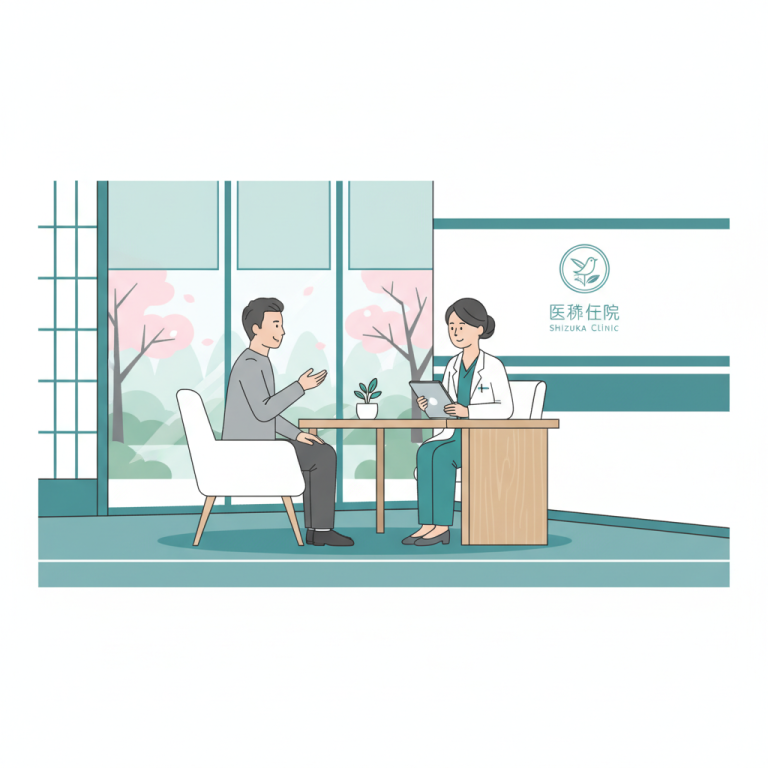
After the examination, the dentist will explain what they found and what treatment is recommended. This can be a complex conversation, so it helps to ask for a written summary if possible, or to use simple yes/no confirming questions.
Dentist: 虫歯が一本あります。治療が必要です。
         Mushiba ga ippon arimasu. Chiryou ga hitsuyou desu.
         You have one cavity. Treatment is needed.

You: 何回くらい通院が必要ですか?
     Nankai kurai tsuuin ga hitsuyou desu ka?
     How many visits will I need?

Dentist: 二回から三回ほど来ていただく必要があります。
         Nikai kara sankai hodo kite itadaku hitsuyou ga arimasu.
         You will need to come in about two to three times.

You: 治療にはどのくらい時間がかかりますか?
     Chiryou ni wa dono kurai jikan ga kakarimasu ka?
     How long will the treatment take?

You: 保険は適用されますか?
     Hoken wa tekiyou saremasu ka?
     Is this covered by insurance?

You: 自費治療と保険治療の違いは何ですか?
     Jihi chiryou to hoken chiryou no chigai wa nan desu ka?
     What is the difference between private and insurance-covered treatment?

You: 費用はだいたいいくらかかりますか?
     Hiyou wa daitai ikura kakarimasu ka?
     Approximately how much will it cost?

You: 書いていただけますか?
     Kaite itadakemasu ka?
     Could you write that down for me?

You: 治療しないとどうなりますか?
     Chiryou shinai to dou narimasu ka?
     What happens if I do not get the treatment?
Paying — Insurance vs Out-of-Pocket
Most expats registered in Japan are enrolled in either the national health insurance system or company-based insurance, which typically covers 70% of approved dental treatments. Cosmetic procedures such as tooth whitening and certain types of implants are usually not covered. Always confirm before treatment whether a procedure is covered (保険適用, hoken tekiyou) or out-of-pocket (自費, jihi).
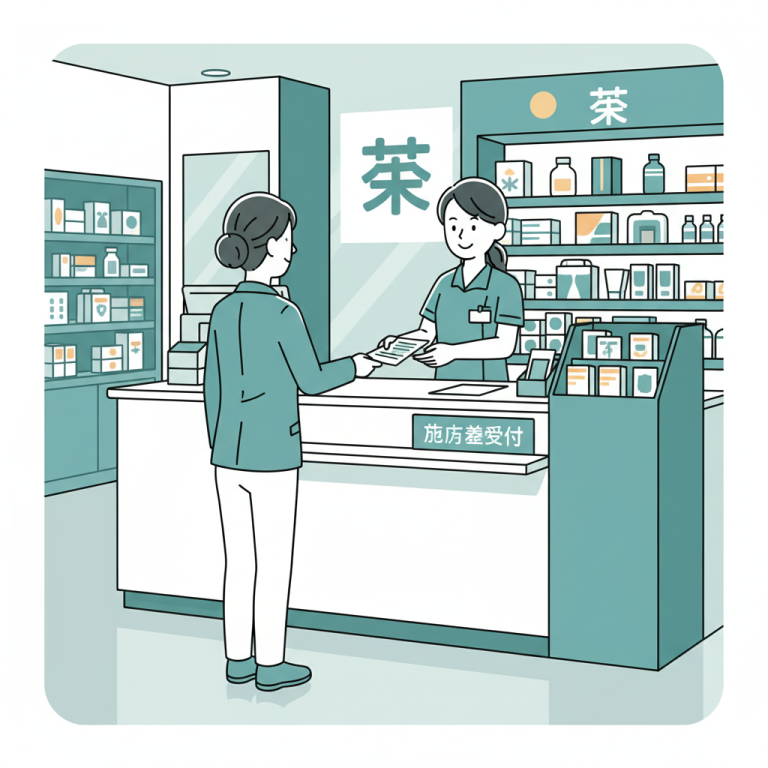
At the reception desk after treatment:

Receptionist: 本日のお会計は〇〇円になります。
              Honjitsu no okaikei wa 〇〇 en ni narimasu.
              Your bill today comes to 〇〇 yen.

You: 保険証を使った場合の金額ですか?
     Hokensho o tsukatta baai no kingaku desu ka?
     Is this the amount after using my insurance card?

Receptionist: はい、保険適用後の金額です。
              Hai, hoken tekiyou go no kingaku desu.
              Yes, this is the amount after insurance is applied.

You: 領収書をいただけますか?
     Ryoushuusho o itadakemasu ka?
     Could I have a receipt?

You: クレジットカードは使えますか?
     Kurejitto kaado wa tsukaemasu ka?
     Can I pay by credit card?

You: 次回の予約もお願いできますか?
     Jikai no yoyaku mo onegai dekimasu ka?
     Could I also make my next appointment?
- 保険適用 — Hoken tekiyou — Covered by insurance
- 自費(じひ) — Jihi — Out-of-pocket / private pay
- 3割負担 — Sanwari futan — 30% patient co-pay (standard under
Find an English-speaking dentist: English Dentists in Tokyo
Traveling or new to Japan? SafetyWing offers affordable travel health insurance that covers emergency medical care while you sort out your long-term coverage.
Want to communicate better at the clinic? Even basic Japanese goes a long way — iTalki connects you with Japanese tutors for one-on-one lessons from ¥500/hour.
Getting paperwork you can’t read? Jozu lets you upload, translate, and save Japanese medical documents — prescriptions, discharge summaries, insurance forms — so you always have an English record.