Your vision gets blurry, your eyes are constantly dry from Tokyo’s air conditioning, or you’ve lost a contact lens prescription and need a new one fast. Simple enough — except you’re in Japan, where most clinics run entirely in Japanese, booking systems often require a Japanese phone number, and the kanji-only intake forms can make even a routine checkup feel like an ordeal. Eye care adds its own layer of complexity: ophthalmology clinics (眼科, ganka) are distinct from optical shops, and knowing which type of provider you actually need can save you a wasted trip. Then there’s the insurance question — does your NHI card cover this? What about your expat policy? This page exists because navigating all of that without a guide is genuinely frustrating, and it shouldn’t be. Below you’ll find a curated list of English-friendly eye clinics and optical providers in Tokyo, plus the practical information you need to actually use them.
What to Expect at a Tokyo Ophthalmologist Clinic
Japanese eye clinics tend to be efficient and well-equipped, but the experience can feel unfamiliar at first. Most clinics require an appointment — walk-ins are sometimes accepted but expect a wait of one to two hours if you haven’t booked. At your first visit, you’ll fill in an intake form (症状問診票, shōjō monshin-hyō) asking about your symptoms and medical history. Bring your health insurance card, a list of any current medications, and your existing glasses or contact lens prescription if you have one. Eye exams typically include visual acuity testing, intraocular pressure measurement, and a slit-lamp examination. The whole appointment usually runs 30–60 minutes. For a standard exam with NHI (National Health Insurance), expect to pay roughly ¥1,500–¥3,000 out of pocket after the 30% co-pay. Specialist procedures cost more. Payment is almost always cash or IC card — have yen on hand. Clinics listed here have at least conversational English, which already puts you well ahead of a cold search.
English-Speaking Ophthalmologists in Tokyo
The providers below are all listed on KantanHealth and have been selected because they’re accessible to English speakers. “Fluent English” means you can describe symptoms, ask questions, and understand answers comfortably. “Conversational English” means communication works for most routine visits, though very technical discussions may require some patience on both sides.
Oculo Facial Clinic Tokyo — Ginza
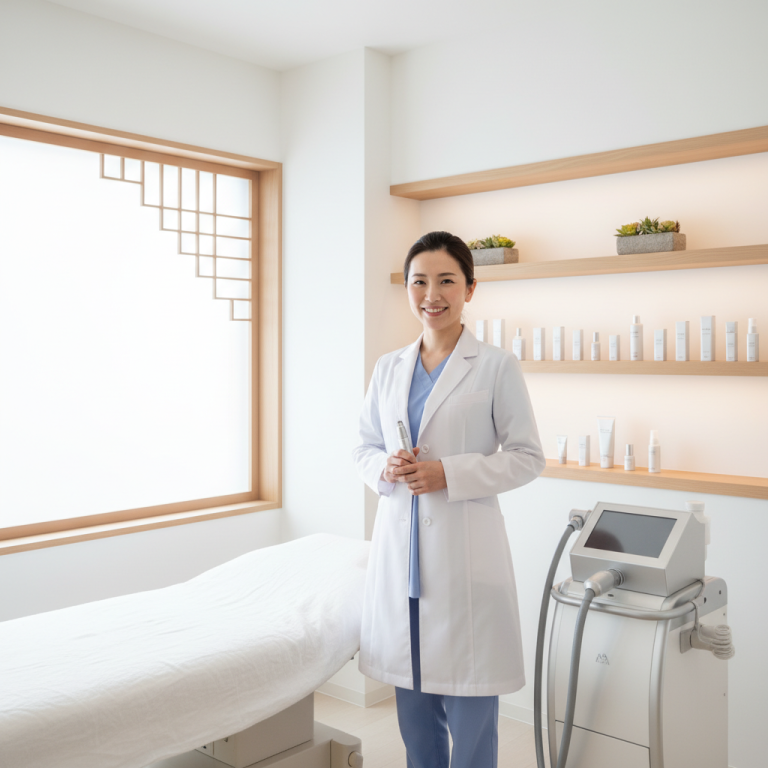
If you need more than a standard eye exam — think ptosis correction, strabismus, or other oculoplastic concerns — Oculo Facial Clinic Tokyo is the specialist destination on this list. The team offers fluent English, which matters when you’re discussing surgical options or complex diagnoses. Located a 2-minute walk from Ginza Station (Exit A5), it’s easy to reach from most parts of the city.
Kagurazaka Ophthalmology — Shinjuku area
Rated 4.4/5 from 54 reviews, Kagurazaka Ophthalmology offers fluent English and a solid range of general eye care services. It’s about a 7-minute walk from Shinjuku Station’s East Exit, making it convenient if you’re in the west side of the city. A well-reviewed neighborhood clinic that handles everything from routine checkups to more involved conditions — a reliable first stop for most expats.
Gotou Ophthalmology — Nihonbashi
Gotou Ophthalmology sits in Nihonbashi, 2 minutes from Exit A5 of Nihonbashi Station, putting it squarely in central Tokyo and easy to reach from the Tozai, Ginza, or Asakusa lines. Patient reviews highlight thorough examinations, and the 4.3/5 rating reflects a clinic that takes its time with patients. English is conversational, so come prepared with written notes about your symptoms if they’re complex.
F. Eye Clinic (efudottoai Clinic) — Todoroki
F. Eye Clinic is a modern practice in the quieter Todoroki neighborhood, specializing in dry eye syndrome and allergic eye conditions — both extremely common complaints among expats adjusting to Tokyo’s air quality and air-conditioned offices. It’s a 2-minute walk from Todoroki Station on the Tokyu Den-en-toshi Line. English is conversational, and the clinic’s focus on chronic conditions makes it worth the slightly off-center location if those are your issues.
Iwasaki Eye Clinic — Shinjuku
Iwasaki Eye Clinic holds a 4.7/5 star rating and offers comprehensive ophthalmology services, all within a 5-minute walk of Shinjuku Station’s South Exit. Conversational English is available, and the high patient rating suggests the experience translates well even across a language gap. Shinjuku’s transport hub location makes this one of the most accessible clinics on the list.
Aki Eye Clinic — Yokosuka-chō area
Aki Eye Clinic is rated 4.7/5 from 33 patients and has a notably international patient base, which is reflected in the welcoming atmosphere reviewers mention. The clinic is 2 minutes from Yokosuka-chō Station on the Keikyu Line — a bit further south than the central clusters, but worth it if you’re based in that part of the city. Conversational English is available for standard visits.
AZABU OPTICAL HARAJUKU — Harajuku / Gaienmae
For glasses or contact lenses rather than a medical exam, AZABU OPTICAL HARAJUKU stands out with a 4.8/5 rating from 128 reviews — the highest review count on this list. Fluent English, a 2-minute walk from Gaienmae Station (Ginza Line), and a reputation for quality frames and attentive service make this a go-to for expats who want the optical experience without the language stress.
Zoff Grand Tokyo Shibuya Store — Shibuya
Zoff is a well-known Japanese eyewear chain, and the Grand Tokyo Shibuya Store brings fluent English to one of Tokyo’s most central locations — 3 minutes from Shibuya Station’s Hachiko Exit. On-site eye exams, prescription glasses, and same-day service are all on offer. A practical choice if you need new glasses quickly and don’t want to stray far from the main transport hubs.
OWNDAYS Shibuya Loft — Shibuya
OWNDAYS is another strong optical chain option, and the Shibuya Loft location offers fluent English just 2 minutes from the Hachiko Exit. They handle eye exams, prescriptions, and same-day glasses in a streamlined retail format. If you’re already in Shibuya and need a prescription update or replacement frames, this is a convenient and reliable option.
JINS Shinjuku Subnade — Shinjuku
JINS is one of Japan’s most popular budget-friendly eyewear brands, and the Shinjuku Subnade location offers fluent English with on-site eye exams. It’s about 5 minutes from Shinjuku Station’s Kabukicho Exit. Good for straightforward prescription glasses or sunglasses without a big spend — don’t expect a boutique experience, but do expect efficiency.
JINS Shibuya — Shibuya
The Shibuya branch of JINS offers the same fluent English service and same-day glasses model, located about 7 minutes from Shibuya Station’s Hachiko Exit. Useful as a backup option if the Shinjuku branch is busy, or if you’re already in the Shibuya area.
G.B.Gafas SHIBUYA — Harajuku / Meiji-jingumae
G.B.Gafas SHIBUYA is an optical clinic offering vision testing and same-day glasses, with fluent English and a location 2 minutes from Meiji-jingumae Station (Chiyoda/Fukutoshin Lines). The regular lens promotions make it worth checking if you’re price-conscious. A solid option in the Harajuku corridor between Shibuya and Shinjuku.
How to Book an Ophthalmologist Appointment in Tokyo
Here’s the practical step-by-step:
- Check the clinic’s website first. Many clinics now offer online booking — look for a 予約 (yoyaku, “reservation”) button. Some use third-party systems like Haisha-navi or LINE booking.
- Calling works too. If you need to phone, a simple opener like “Eigo wa hanasemasu ka?” (Do you speak English?) will quickly tell you what you’re working with. Then: “Yoyaku wo shitai no desu ga” — “I’d like to make an appointment.”
- What to bring: Your health insurance card (健康保険証), a photo ID, cash (¥3,000–¥5,000 to be safe), your current glasses or contacts, and a written note of your symptoms in Japanese if possible — Google Translate works fine for this.
- Arrive 10–15 minutes early for first-visit paperwork.
- Same-day appointments are sometimes possible at optical shops; medical clinics usually need at least a day’s notice.
Insurance and Costs
If you’re enrolled in Japan’s National Health Insurance (NHI), most standard ophthalmology visits are covered at 70%