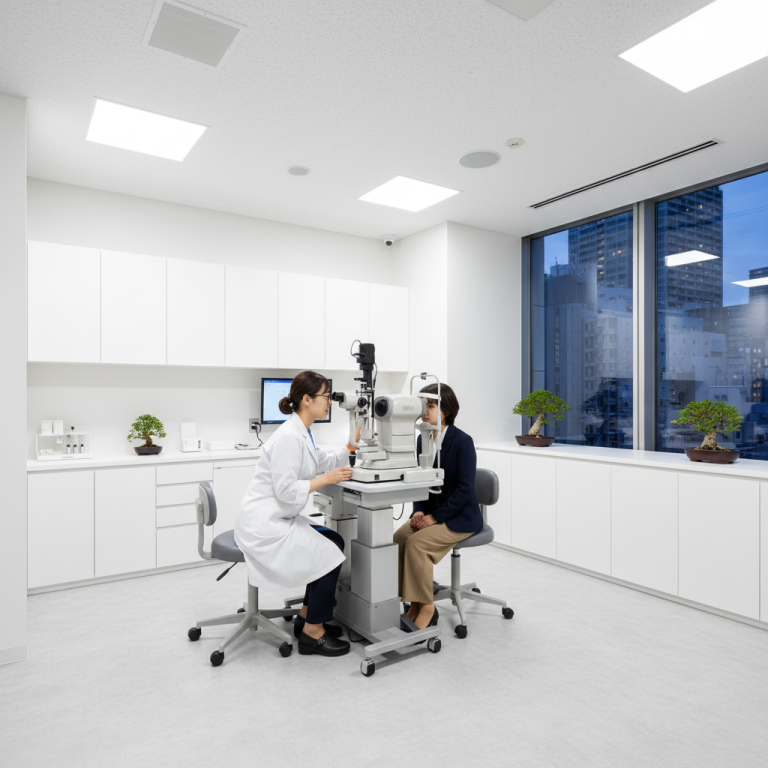
Picture this: you’ve had a blocked ear since your last flight, a sinus infection that won’t quit no matter how much you sleep, or you’ve noticed your hearing has changed and you’ve been putting off doing anything about it because the idea of navigating a Japanese specialist clinic feels complicated in a way that the regular GP doesn’t. ENT — ear, nose and throat, called 耳鼻咽喉科 (jibi inkōka) in Japanese — is one of those specialties where the appointment is heavily language-dependent. The doctor needs to understand your symptoms with precision to diagnose correctly. And you need to understand the diagnosis and the treatment plan, not just nod along and hope the prescription makes sense.
The good news is that Tokyo has a reasonable cluster of ENT clinics with English-speaking capability. ENT is also a specialty where Japanese clinics are genuinely excellent — particularly for allergy-related issues. Japan’s seasonal hay fever (kafunshō) affects millions of people, and Japanese ENT specialists have developed highly refined approaches to managing it. Sinus conditions, ear-related issues, hearing problems, and throat conditions are all areas where Tokyo ENT care is strong. The bad news is that the English-language options are more scattered than for general medicine or dermatology, which is exactly why this guide exists.
ENT is one area where “English-speaking” really matters more than for some other specialties. A dermatologist can look at a rash on your arm and get a lot of the picture without words. An ENT specialist can’t. The detailed symptom-taking — when did it start, is it one side or both, is it constant or does it come and go, what triggers it — and the treatment explanation are both highly language-dependent. Getting this right at the clinic requires either a genuinely English-capable doctor or good preparation on your part. This guide helps with both.
When to See an ENT in Japan
The most common reason expats in Japan end up at an ENT clinic is hay fever. Japan’s cedar pollen season, which runs roughly from February through April and is followed by cypress pollen through May, is legendary among people who’ve lived here through it. Many expats develop hay fever symptoms within one to three years of living in Japan, even if they had no allergy history before arriving — the immune system builds up to Japanese cedar pollen over repeated seasons of exposure, and then it tips over. The symptoms are real: watery eyes, sneezing that doesn’t stop, a blocked nose that makes sleep difficult, fatigue, and general misery that lasts weeks. If you’ve never experienced Japanese kafunshō, know that it hits harder than the seasonal hay fever most people deal with back home.
Beyond hay fever, other common ENT reasons for clinic visits include blocked ears after flying or diving, ear infections, sinusitis, sudden changes in hearing, tinnitus, throat infections that don’t resolve, voice problems, and dizziness or balance issues that can have an inner-ear origin. Japan’s ENT system is also different from many Western countries in that Japanese patients often go directly to an ENT specialist without a GP referral — this is entirely normal and you can book an appointment directly. ENT in Japanese is 耳鼻咽喉科 (jibi inkōka) — if you’re searching on Google Maps or asking a Japanese colleague, this is the term that will get you to the right type of clinic. For more on how to navigate Tokyo’s English-speaking doctor system broadly, our guide to finding English-speaking doctors in Tokyo is a useful companion read.
English-Friendly ENT Clinics in Tokyo
BILLY’S ENT Shibuya — Shibuya
BILLY’S ENT is one of the most recognised English-capable ENT clinics in Tokyo and has become something of a landmark for the expat community when it comes to ear, nose and throat care. The Shibuya location is central and easily reached from most of Tokyo. The clinic handles the full range of ENT conditions — allergic rhinitis, ear infections, sinus issues, hearing assessment, throat conditions — in English, not as an approximation but as the actual working language of your consultation. If you want one clear top recommendation for an ENT clinic in central Tokyo where English is genuinely the norm rather than an occasional feature, BILLY’S ENT Shibuya is it. The clinic also has locations in Osaka and Kumamoto for readers outside Tokyo.
Hama ENT Clinic
Hama ENT Clinic provides ear, nose and throat care with English communication available for international patients. The clinic handles a broad range of ENT conditions and is a practical option for expats in its area who need specialist care without the added challenge of a language barrier. Check the Kantan Health provider page for current location, hours, and booking information.
Ajisaka ENT Clinic
Ajisaka ENT Clinic is a solid option for patients seeking ear, nose and throat care in English. The clinic handles routine ENT conditions and has English communication capability for international patients. Worth checking the provider listing for current location details and hours — smaller specialist clinics sometimes operate on specific days or half-week schedules.
Shinjuku Voice Clinic — Shinjuku
Shinjuku Voice Clinic is a specialist ENT practice with a specific focus on voice disorders, vocal cord issues, and throat conditions — which makes it quite different from a generalist ENT clinic. If your concern is voice-related — hoarseness that won’t clear up over weeks, vocal cord dysfunction, difficulty projecting your voice, or professional concerns about your vocal health — this is exactly the right referral. ENT specialists who focus specifically on voice medicine are genuinely rare, so the Shinjuku Voice Clinic fills a meaningful gap in the market. Located in Shinjuku with excellent transit access from most of the city.
Oguchi E.N.T. Clinic
Oguchi ENT Clinic handles ear, nose and throat conditions and has English communication available for international patients. The clinic provides professional ENT care across the standard range of conditions — allergies, ear issues, sinus problems, and throat conditions. A practical option for expats in its service area who need accessible ENT care without the language barrier. See the Kantan Health listing for current details.
Jingumae Ear, Nose, and Throat Clinic — Harajuku / Jingumae
Jingumae ENT Clinic is well-positioned for residents in the Shibuya, Minami-Aoyama, and Omotesando corridors — the clinic sits between Harajuku and Omotesando, making it an easy stop for a wide swathe of central Tokyo. The clinic handles general ENT including allergy management, hearing assessments, and the common range of ear, nose and throat conditions that bring expats in for specialist care. Good option if BILLY’S ENT is your preferred backup choice given the overlapping geographic area.
Tooh ENT Clinic Akasaka Mitsuke — Akasaka
Tooh ENT Clinic at Akasaka Mitsuke sits within easy reach of the Ginza, Marunouchi, and Akasaka business districts — making it a practical option for professionals working in central Tokyo who want to slot an ENT appointment into a working week without a long transit detour. The clinic handles general ENT conditions and the Akasaka Mitsuke station connection (multiple subway lines) makes it genuinely accessible from across the city.
Kamiyacho Otolaryngology Toranomon — Toranomon
Kamiyacho Otolaryngology in Toranomon provides ENT care in an area that has rapidly developed into one of Tokyo’s major international business hubs. The clinic is accessible from the Kamiyacho and Toranomon station area and handles the standard range of ear, nose and throat conditions. English communication available — check the Kantan Health provider page for current hours and booking.
Kawazu ENT Clinic
Kawazu ENT Clinic provides general otolaryngology care with English communication for international patients. The clinic is a practical neighbourhood option for expats in its service area who need ENT care without the challenge of managing the appointment entirely in Japanese. Worth checking the provider listing for current location and booking process.
Suzuki ENT Clinic
Suzuki ENT Clinic handles ear, nose and throat conditions and has English communication capability for international patients. The clinic covers the standard ENT workload — allergy management, hearing, sinus, and throat conditions — and is a reliable option for expats in its area. See the Kantan Health listing for current details and contact information.
Hirayama ENT Clinic
Hirayama ENT Clinic provides general otolaryngology care including the common conditions that bring expats to specialist clinics — allergic rhinitis, ear issues, sinusitis, and throat concerns. English communication available for international patients. Check the Kantan Health provider page for location, hours, and booking details.
Japan’s Cedar Pollen Season — What ENT Clinics Can Do
Japan has one of the world’s most intense seasonal hay fever situations, and it’s worth understanding before you experience it for the first time. Cedar pollen season (sugi kafunshō) runs from roughly February through April, followed immediately by cypress pollen season through May. Many expats develop hay fever symptoms within one to three years of living in Japan — even people who had zero allergy history before arriving. The immune system builds up sensitivity to Japanese cedar pollen over repeated seasons of exposure until it tips over into full allergic response. Symptoms at their peak can be genuinely debilitating: relentless sneezing, streaming eyes that swell shut by morning, a nose that produces more fluid than seems physically possible, and fatigue from the constant immune activation. This is not the mild seasonal sneezing some people experience back home.
What an ENT can actually do: antihistamine prescriptions (far stronger and more effective than what’s available over the counter), nasal steroid sprays, allergy injections (immunotherapy), and the sublingual pollen desensitisation treatment (舌下免疫療法) which has become increasingly popular in Japan over the past decade. The sublingual treatment is a multi-year commitment but is the only option that addresses the underlying sensitivity rather than just managing symptoms season by season. The critical timing point: if you want to start any kind of immunotherapy or get ahead of the season with the right prescription, come to an ENT clinic in January — before the pollen starts. Walking in mid-March when you’re already miserable limits your options considerably.
Preparing for Your ENT Appointment
ENT is one of the more symptom-specific specialties. Before your appointment, think through: when did the issue start, is it constant or intermittent, which side is affected (one ear or both, one nostril or both), what makes it better or worse, any associated symptoms like dizziness, facial pressure, changes in hearing, or pain. Note any medications you’ve been taking, including over-the-counter antihistamines you’ve been self-medicating with for allergy symptoms — the doctor needs to know whether you’ve been suppressing symptoms and with what. If you’ve had this problem before, any notes about previous treatment and what worked are useful. For guidance on how to book your appointment in Japanese if the clinic doesn’t have an online form, see our Japanese doctor appointment phone script.
Japanese clinics often provide referral letters, test results, and prescriptions in Japanese only — Jozu lets you translate and store those documents so you always have an English record on hand.
Costs for ENT Under Japanese Health Insurance
Under National Health Insurance, ENT consultations and most treatments are covered. A standard ENT consultation runs ¥1,500–4,000 depending on what’s involved in the visit. Allergy testing — the skin prick test or blood panel to identify specific allergens — typically runs ¥3,000–8,000. Hearing tests are generally covered. Ear irrigation, minor procedures, and prescription medications are also within the NHI framework. Some clinics charge slightly higher for more complex procedures, but the basic consultation plus prescription is affordable under NHI in a way that makes specialist care genuinely accessible. If you’re visiting Japan on a short-term basis and aren’t enrolled in NHI, or if you’re between insurance plans, SafetyWing travel health insurance covers medical visits including specialist consultations while you get your coverage sorted.
Finding the Right ENT Clinic
Tokyo’s English-capable ENT options are more limited than dermatology or general medicine, but they’re real and they cover the main expat areas. BILLY’S ENT Shibuya is the standout first recommendation for most people in central Tokyo. The other clinics in this guide fill in the map for patients who are geographically closer to Shinjuku, Toranomon, Akasaka, or the Omotesando corridor. Every clinic listed here has a full provider profile on Kantan Health with addresses, maps, and booking details. If you’re based in Osaka, BILLY’S ENT also has an Osaka location — see our Osaka expat healthcare guide for the full listing of English-capable clinics there.