Finding a dentist in Osaka when you don’t speak Japanese is one of those expat tasks that sounds simple until you’re actually trying to do it. The clinic websites are in Japanese. The booking forms are in Japanese. The receptionist who answers the phone may not speak English. And even if you find a clinic that claims to be “English-friendly,” that can mean anything from a dentist who studied abroad to someone who can say “open wide” and not much else. Add in questions about whether your insurance will be accepted, whether you need a referral, and what exactly that kanji on the intake form is asking — and suddenly a routine cleaning becomes a logistical puzzle. This page exists to cut through that confusion. We’ve pulled together the English-speaking and English-friendly dental clinics in Osaka that are actually worth knowing about, with honest notes on what their English level means in practice, where they’re located, and what to expect when you walk in.
What to Expect at an Osaka Dental Clinic
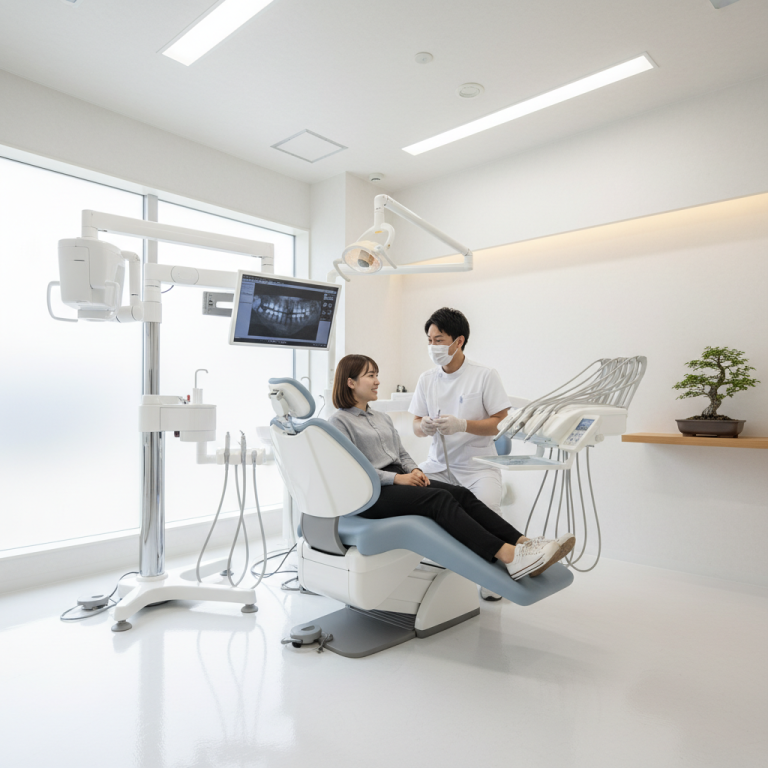
Japanese dental clinics tend to be smaller and more specialized than what many Western expats are used to. You’ll often see separate clinics for orthodontics, pediatric dentistry, and general care rather than one big practice doing everything. Most clinics run on appointments, though some accept walk-ins for emergencies. When you arrive, you’ll typically fill out an intake form (usually in Japanese — more on that below) covering your medical history, allergies, and reason for visiting. First appointments often include X-rays as standard. Waiting rooms are usually quiet and calm — the experience is generally pretty efficient.
Costs vary depending on what you need. With National Health Insurance (NHI), you’ll typically pay 30% of the treatment cost out of pocket. Without insurance, a basic cleaning might run ¥3,000–¥6,000, while more involved work like fillings, extractions, or root canals climbs quickly. Cosmetic procedures like whitening are almost always out-of-pocket regardless of insurance. Clinics near Namba and Umeda tend to be more accustomed to international patients, so if it’s your first time navigating dental care in Japan, starting in those areas is a reasonable bet.
English-Speaking Dentists in Osaka
Kuki Dental Office — Namba
Kuki Dental Office is one of the stronger options in the Namba area if you need fluent English and don’t want to worry about miscommunication during treatment. The clinic handles both emergency dental care and routine procedures, which makes it useful whether you’ve cracked a tooth on the weekend or you’re just due for a checkup. It’s a 5-minute walk from the Namba Nankai Exit, accessible on the Nankai, Kintetsu, Midosuji, and Yotsubashi lines — hard to miss if you’re based in central Osaka.
Yodoyabashi Kyousei Dental — Yodoyabashi
Yodoyabashi Kyousei Dental is a specialist orthodontic clinic with a solid 4.7/5 rating — worth noting if you’re looking into braces or aligners while living in Osaka. The staff speak conversational English, which is generally enough for treatment consultations and follow-up appointments. It’s right by Yodoyabashi Station (2 minutes from Exit 1 on the Midosuji and Yotsubashi lines), putting it in a convenient business district location if you’re working or living in that part of the city.
Clear Dental Nanbain — Namba
Clear Dental Nanbain covers a broad range of treatments including implants, which makes it one of the more comprehensive options in the Namba area. The English level is conversational, and the clinic is just 2 minutes from the Namba Nankai Exit — same hub as Kuki, so easy to compare both if you’re deciding between them. Good for expats who want a single clinic that can handle most of their dental needs without bouncing between specialists.
Kure Moto Dental Nanba Shinryousho — Naniwa
Kure Moto Dental Nanba Shinryousho has a 4.5/5 rating from nearly 200 reviews, which is a reassuring sign for a clinic where English is more limited. Basic English means you’ll want to come prepared — writing down your symptoms in advance or using a translation app for the intake form will help. It’s 2 minutes from Naniwa Station on the Sakaisuji Line, so it’s well-connected even if it’s slightly off the main tourist drag.
Chihiro Dental Clinic — Naniwa
Chihiro Dental Clinic is run by a female dentist and operates as a walk-in practice, which is genuinely useful if you need to be seen quickly without navigating a booking process in Japanese. The dentist is fluent in English and known for efficient, no-fuss treatment — a good fit if you want to get in, get treated, and get on with your day. It’s about 5 minutes from Naniwa Station on the Sennichimae Line.
Umeda Ono Dental Clinic — Umeda
Umeda Ono Dental Clinic is one of the few fluent-English options in the Umeda area, making it a natural choice if you’re based in or around Kita-ku. The clinic has a 4.3/5 rating and handles general dental care, so it works well as a regular clinic for expats who want continuity of care. It’s about 5 minutes from the Hankyu/Hanshin Umeda Exit — walkable from one of Osaka’s main transport hubs.
Shinsaibashi Clover Shika Kyosei Dental Clinic — Shinsaibashi
Shinsaibashi Clover Shika Kyosei Dental Clinic specializes in orthodontic treatments with a particular focus on Invisalign, which is increasingly popular among expats who want discreet alignment work while living abroad. Staff speak conversational English, which is generally sufficient for treatment planning and follow-up. It’s 2 minutes from Shinsaibashi Station Exit 14 on the Midosuji Line — right in the middle of one of Osaka’s most accessible neighborhoods.
Nanbaesseshika Shoni Dental Clinic — Minato
Nanbaesseshika Shoni Dental Clinic is a pediatric dental practice — the one to know if you have kids and need a dentist who specializes in treating children. English is basic here, so come prepared with some written notes if your child has specific needs or a dental history to communicate. It’s a 5-minute walk from the Namba Nankai Exit, which keeps it accessible even though it’s technically in Minato.
Nanba Kyousei Dental — Namba
Nanba Kyousei Dental is another solid orthodontic option, rated 4.6/5 from over 150 reviews — a strong track record. English is basic, but the clinic clearly has experience with patients who need careful communication about treatment plans. It’s 5 minutes from Namba Station Exit 14, accessible on the Nankai, Kintetsu, and Subway lines.
Star White Dental — Namba
Star White Dental (listed on the site as Sutahowaitoningunanbain) is the go-to in Namba if teeth cleaning or whitening is what you’re after. The staff speak fluent English, and the clinic is highly rated — a low-stress option for something that should be routine but can feel complicated when you’re navigating a new country’s healthcare system. It’s 2 minutes from the Namba Nankai Exit.
OBP Dental Clinic — Osaka Station Area
OBP Dental Clinic covers emergency care, routine cleanings, and consultations, with conversational English. It’s 5 minutes from Osaka Station’s Central Exit — one of the most connected spots in the city — which makes it a practical choice for expats commuting through or working near the station. Good for general care without having to trek to Namba.
DIGITAL – L Shika Kyosei Dental Clinic — Shinanobashi
DIGITAL – L Shika Kyosei Dental Clinic is a modern orthodontic and general dental practice with a 4.6-star rating and fluent English — a combination that’s harder to find than you’d expect. The “digital” in the name reflects a tech-forward approach to treatment, which tends to mean more precise diagnostics and cleaner treatment planning. It’s 2 minutes from Shinanobashi Station Exit 5 on the Midosuji Line.
How to Book a Dentist Appointment in Osaka
Most clinics in Osaka accept bookings by phone, and increasingly, many have online booking systems — check the KantanHealth profile for each clinic to see what’s available. For phone bookings, having a few simple Japanese phrases ready helps, even at English-friendly clinics. Something like “Yoyaku o shitai no desu ga” (I’d like to make a reservation) followed by your name and preferred date gets you most of the way there.
When you arrive, you’ll fill out an intake form. These are almost always in Japanese. If you have a document like an insurance card, prescription, or previous dental record in Japanese that you need to understand, Jozu is a document translation platform where you can upload Japanese paperwork, translate it, and save it — handy for anything from medical forms to insurance summaries.
Bring your National Health Insurance card if you have one, your residence card, and a list of any medications you’re currently taking. If you have dental records from a previous dentist, bringing X-rays (or a summary) can save time and money on repeat diagnostics.
Insurance and Costs
If you’re a resident with National Health Insurance (NHI), you pay 30% of most covered dental treatments — fillings, extractions, cleanings, root canals. Cosmetic work (whitening, some orthodontics) is typically not covered and must be paid in full out of pocket.
If you’re visiting Japan or between insurance plans, costs add up fast without coverage. For short-term visitors or digital nomads, SafetyWing’s Nomad Insurance includes emergency dental coverage — it won’t cover routine clean